U.S. Plans Mass Revocation of B-1/B-2 Visas: What Asylum Seekers Should Know Before Trying to Enter Canada
An important development in U.S. immigration could have an impact on tens of thousands of people who entered the United States as temporary visitors and then applied for asylum.
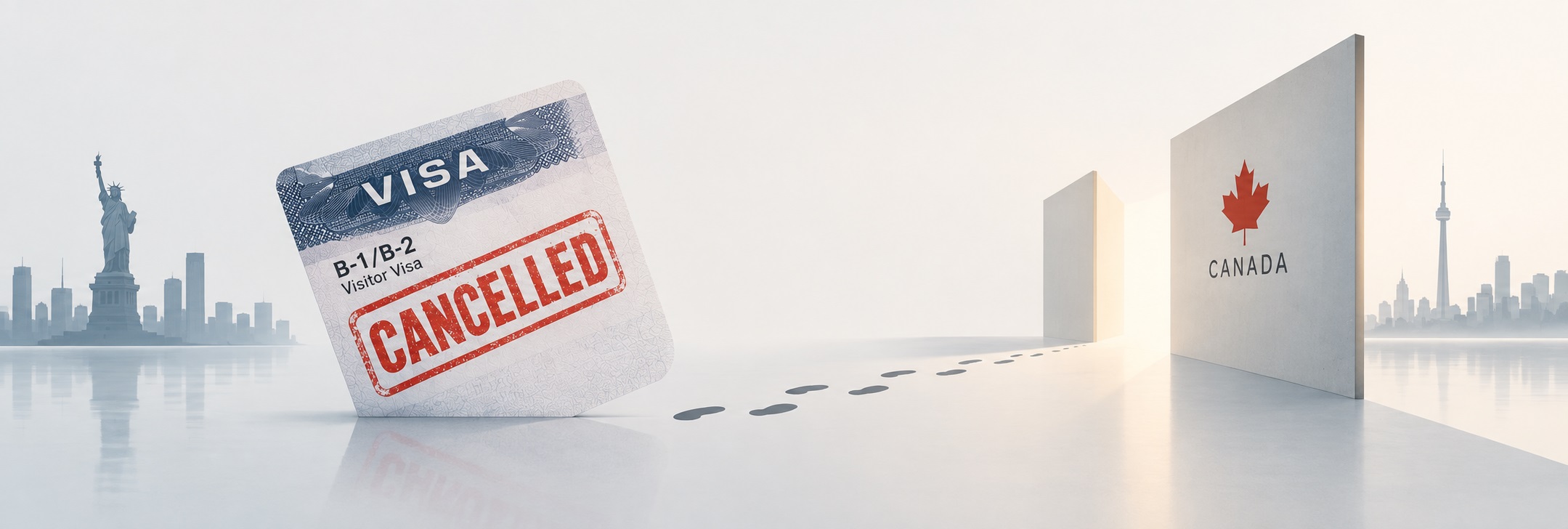
In August 2026, it was reported that the U.S. government planned to revoke the B-1 and B-2 visitor visas of some foreign nationals who had applied for asylum in the United States. The move could affect as many as 200,000 visas granted between 2016 and 2026 and could become one of the biggest visa-revocation campaigns in U.S. history.
For certain affected people, Canada might seem like an immediate alternative. However, people may face serious legal difficulties if they travel to the Canadian border without first understanding Canadian refugee law.
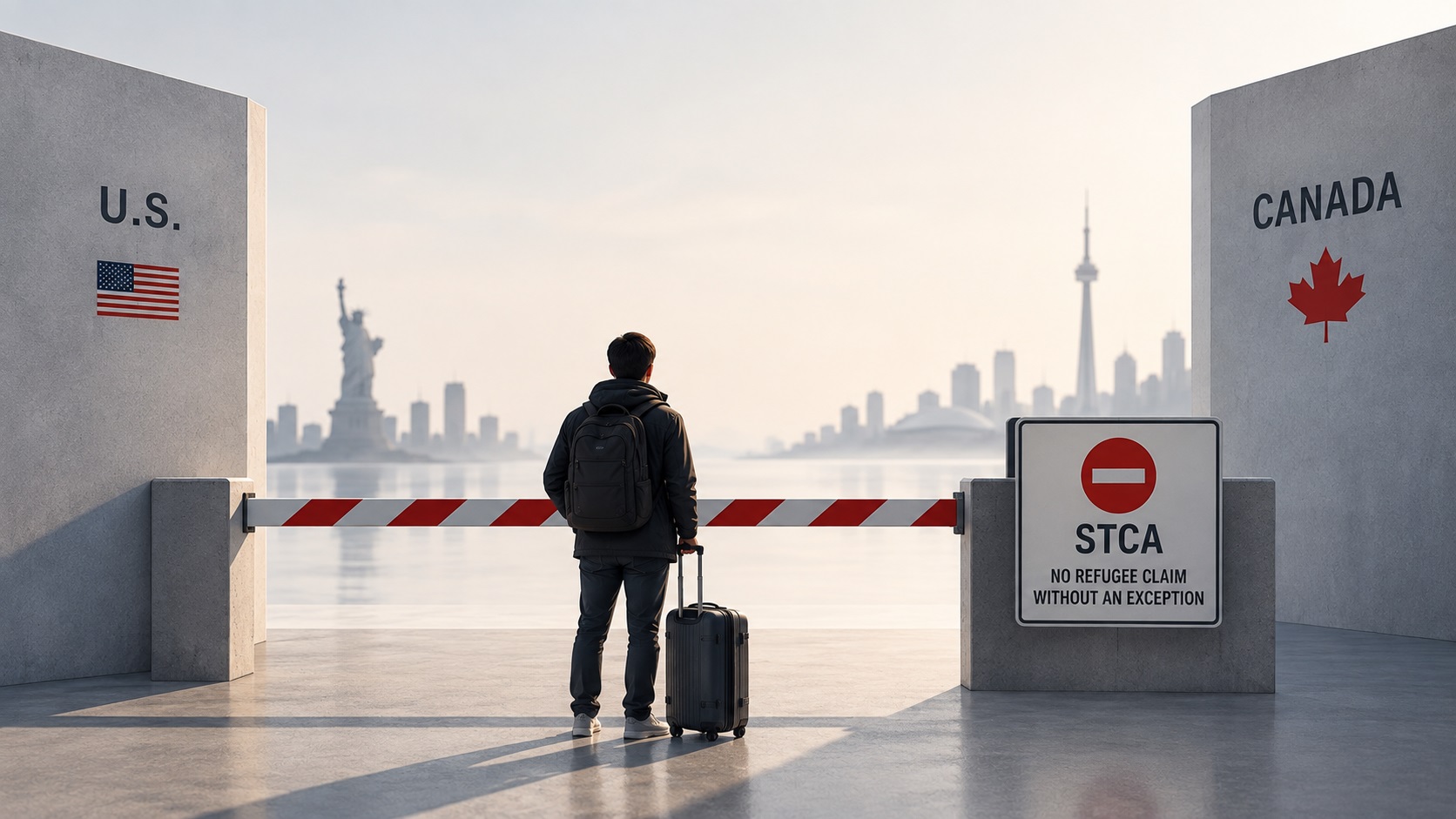
The Safe Third Country Agreement (STCA) between Canada and the USA usually denies refugee claims made at the Canada-US land border by some refugees arriving from the USA, unless they are exempt.
To be fully prepared before traveling to Canada, the individual whose visa has been revoked must understand what the revocation entails, how the STCA works, and whether they have a legal avenue for relief.
Who Can Be Impacted by the Visa Revocation Policy in the U.S.?
The described plan involves foreign nationals who:
· are holders of the B-1/B-2 visas;
· obtained the visa during the described time frame, from 2016 to 2026; and
· subsequently made an asylum claim in the United States.
The reported approximate number of visas that could be impacted is 200,000. As the described U.S. policy matter is currently under development, individuals are advised to confirm the current status of their particular visa and asylum application with a competent U.S. immigration attorney.
Visa revocation does not automatically mean deportation or removal.
In general, a visa affects an individual's right to apply for admission to the United States. The effects of visa revocation for someone already in the country may vary depending on their situation.
This becomes especially relevant when a person is considering departing the United States for Canada.
Heading to Canada? You Need to Know about the Safe Third Country Agreement
The Canada-U.S. Safe Third Country Agreement, also known as STCA, is in effect.
Under the agreement, refugee claimants are expected to claim their right in the first country where they are present. This implies that someone moving from the United States to Canada is not supposed to apply for asylum at the land border in Canada without an exception or exemption.
The agreement's application has become much wider since March 2023.
The Canada-U.S. STCA applies not just to designated ports of entry from Canada to the U.S., but also to people who have crossed between designated ports of entry in the 14 days before claiming asylum.
In other words, circumventing the designated port does not offer an easy solution to the STCA problem.
Is There a Safe Third Country Agreement at Canadian Airports?
The Safe Third Country Agreement generally governs refugee claims related to entry into Canada from the United States across the land border.
Current information from the Government of Canada specifies that the Safe Third Country Agreement governs refugee claims that are made:
· across Canada-U.S. land borders;
· after crossing from particular points between official ports of entry after a claim has been filed within 14 days of entry;
· by train; and
· in a specific case regarding transit through Canada of a person who was refused refugee status in the U.S. and was deported from the U.S.
But just because this is the case doesn’t mean an individual can fly into Canada and file a refugee claim.
An alien would still need all documents required to travel to Canada, such as a Canadian Temporary Resident Visa.
The STCA Family Member Exception
One of the most important exceptions available to those entering Canada under the Safe Third Country Agreement involves applicants with specific family members in Canada.
Depending on the situation, a refugee claimant entering Canada from the U.S. may be allowed to make a claim if a family member already resides in Canada and meets the necessary immigration-status requirements.
In terms of the Safe Third Country Agreement, the definition of a qualifying family member is rather broad and may refer to:
· spouse;
· common-law partner;
· child;
· parent;
· sibling;
· grandparent;
· grandchild;
· legal guardian;
· aunt or uncle; and
· niece or nephew.
Having a family member residing in Canada alone is not necessarily sufficient.
Consider your relative's immigration status in Canada. Depending on the circumstances, a qualifying family member may be a Canadian citizen, permanent resident, protected person, person with a valid work or study permit, or individual with a refugee claim referred to the Immigration and Refugee Board.
Check these requirements before crossing the border.
Exceptions to the STCA: In addition to family-related reasons, other factors may also qualify as exceptions to the STCA.
The four major types of exceptions to the Safe Third Country Agreement, according to Canada, include:
1. Family member exceptions
Some claimants who have qualified family members in Canada may be allowed to claim asylum.
2. Unaccompanied minors
Some claimants who are younger than 18 and fall within the category of unaccompanied minors may also qualify for an STCA exception.
3. Document holder exceptions
Individuals who hold certain Canadian immigration documents may be granted an STCA exception. This can include individuals who have a valid Canadian visa, work permit, or study permit.
4. Public interest exceptions
Limited public interest exceptions can apply in specific situations, including some cases involving the death penalty.
Not all individuals who qualify for STCA exceptions will successfully claim refugee status since other conditions still apply in Canada.
Why Proof of STCA Exception is Necessary
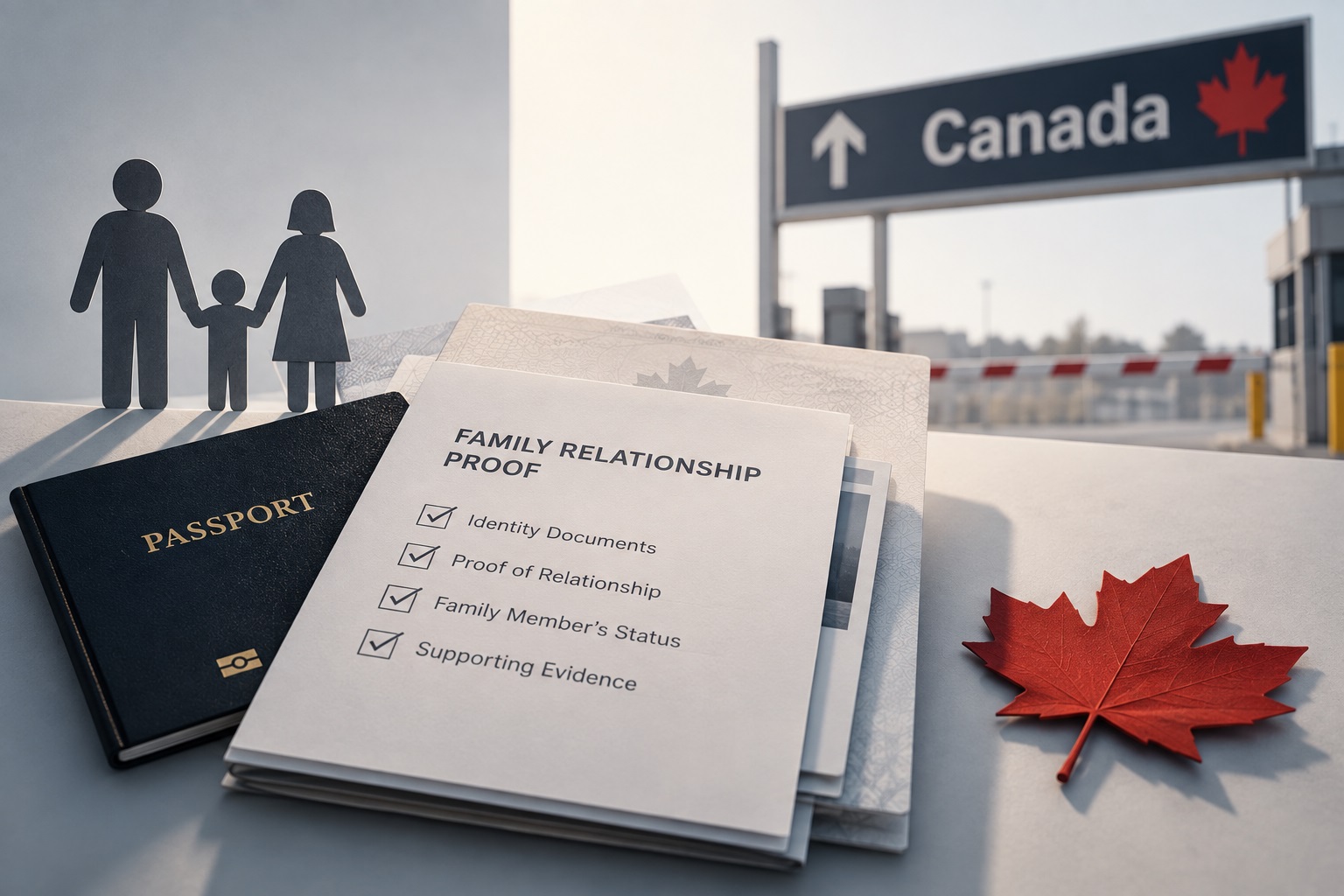
A claimant who thinks they have the right to an exemption based on their familial relationship must not automatically think that mentioning their family member to a border official will suffice.
The claimant will require proof showing:
· that the family relationship exists, and
· that the family member's status qualifies them as someone under the exception in Canada.
The required documentation depends on the specific exception at issue. This is because different documents prove the necessary facts, depending on the case. Therefore, an STCA assessment must be done before crossing the border into Canada.
Can a Person With a U.S. Visa Revocation Seek Immigration to Canada?
A U.S. visa issue does not necessarily preclude all Canadian immigration opportunities. Depending on several different factors, some of the Canadian immigration possibilities can be:
Family Sponsorship
Canada provides various family reunification programs in which a Canadian citizen or permanent resident can sponsor their spouse, common-law partner, dependent children, and any other qualifying family members.
Express Entry
Some skilled workers can obtain permanent residency status by participating in Canada’s Express Entry Program, based on age, education, language skills, and work experience (Canadian or international).
Provincial Nominee Programs
Provinces/territories of Canada have specific immigration programs aimed at addressing their economic and labor market needs.
Canadian Work Permits
Some individuals are eligible to obtain a work permit for temporary employment in Canada.
Study Permits
Some people admitted to qualifying Canadian educational institutions can apply for a study permit in Canada. These paths are distinct from making a refugee claim at the Canada-U.S. border and should be considered independently. Revocation of U.S. Visa Does Not Make an Individual Eligible for Canadian Refugee Protection Automatically
This point needs more emphasis than anything else. Individuals with a revoked U.S. B-1/B-2 visa are not automatically eligible for refugee protection in Canada.
Certain legal criteria govern refugee protection in Canada. Individuals must prove they qualify under the definition of a Convention refugee or a person in need of protection and meet Canada's eligibility criteria. The revocation of a U.S. visa can be one of many factors in an individual's immigration situation.
Already In Canada? There Are Various Immigration Processes Available
For those already in Canada, the analysis process can vary greatly. Depending on immigration history and other factors, it may be possible to obtain a Pre-Removal Risk Assessment (PRRA) or even permanent residency on humanitarian grounds.
Pre-Removal Risk Assessment
The PRRA procedure gives people who may be removed from Canada an opportunity to provide evidence of dangers they might encounter upon returning to the country in question, including for some people who are inadmissible to Canada. Eligibility criteria and other statutory limitations mean the PRRA cannot be used merely because circumstances have changed.
Humanitarian and Compassionate Applications
The H&C process permits immigration authorities to consider various circumstances, including establishment in Canada, family situation, hardship, and the best interests of the child. The H&C application does not replace a refugee claim, and depending on the applicant's immigration history, a different approach may be needed.
What Should Be Done When a U.S. Visa Revocation Notice Is Received?
Anyone affected by this evolving U.S. policy should avoid making hasty cross-border decisions without considering all implications.
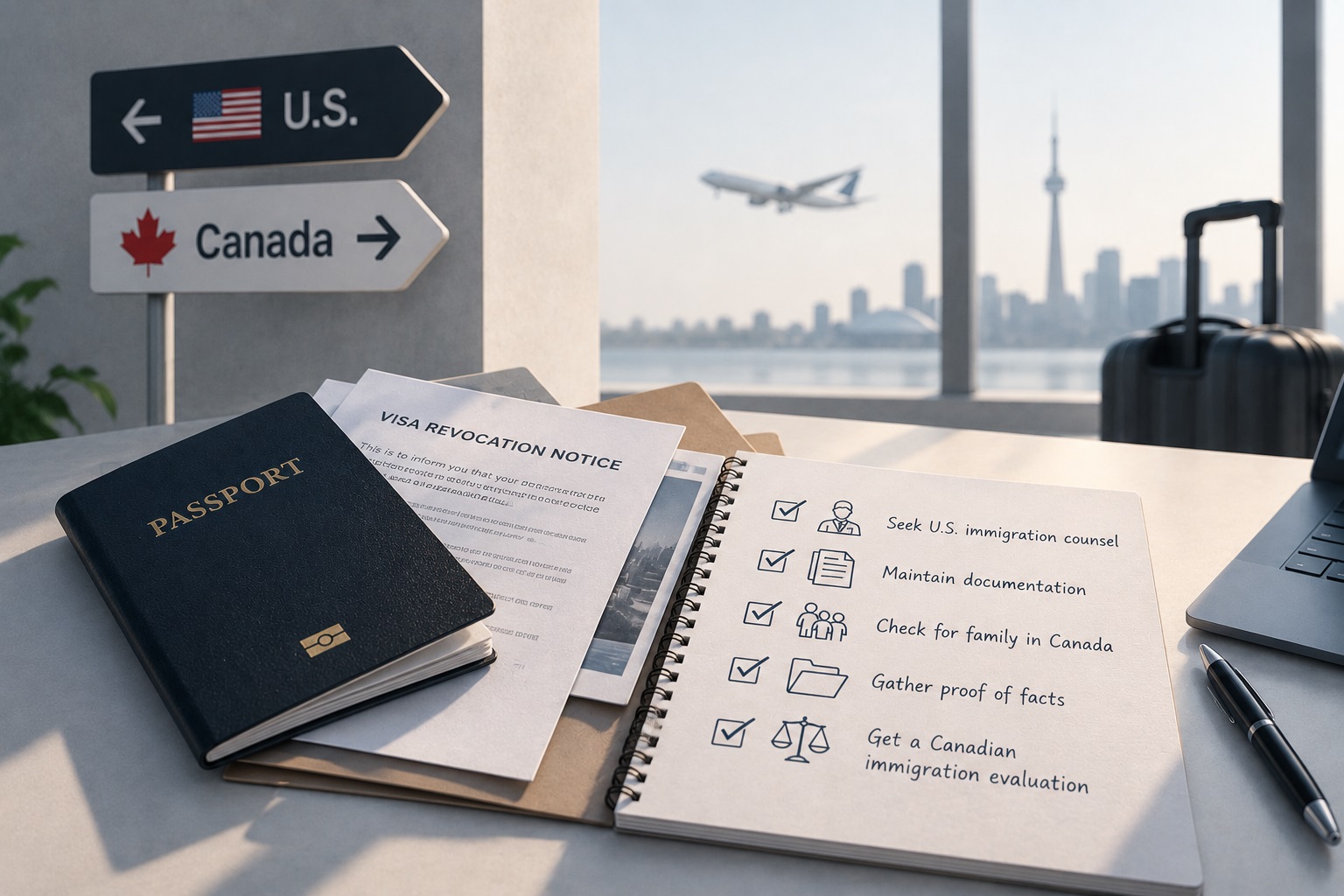
Before trying to enter Canada, it might be wise to:
· Seek U.S. immigration counsel before leaving the U.S. Leaving the country may have major implications for an ongoing U.S. immigration or asylum process.
· Maintain immigration documentation. Make copies of passports, visas, visa revocation letters, asylum applications, and correspondence.
· Find out whether there is a family member in Canada. Determine the exact family relationship and immigration status of the relative in Canada.
· Gather proof of facts. If applying for an STCA exemption, secure proof of both family relationship and Canadian relative’s immigration status.
· Get a Canadian immigration evaluation before going to the border. You may be able to claim an STCA exception depending on the circumstances.
Can an Asylum Seeker in the U.S. Enter Canada Following a Rejection of a B-1/B-2 Visa Application?
A rejection of a visa application in the United States may not give someone the right to seek entry to Canada or make a refugee claim in Canada. When an applicant arrives from the U.S. at the Canadian border, the Safe Third Country Agreement would come into play. If the agreement applies, the applicant must demonstrate an exception or exemption that allows a claim in Canada. Some families may want to apply for a family member exception. Other cases may involve finding the best immigration pathway, including sponsorship, economic immigration, and work or study permits. It depends on the individual's specific circumstances.