US Federal Judge Blocks U.S. Visa Suspension for 75 Countries
A federal judge in New York has invalidated a Trump administration policy that halted the processing of immigrant visas for nationals of 75 countries, including Iran, Afghanistan, Russia, and Somalia.
U.S. District Judge Jeannette Vargas ruled that the policy exceeded the authority granted to the U.S. Secretary of State and conflicted with federal immigration law. The decision could have significant consequences for visa applicants and families affected by the suspension.
Court Finds Visa Suspension Exceeded Government Authority
The disputed policy directed U.S. consular posts to suspend immigrant visa processing for applicants from dozens of countries. The administration had linked the measure to concerns that certain immigrants could become dependent on public benefits after entering the United States.
Judge Vargas concluded that the government could not impose a broad refusal policy against otherwise eligible applicants without sufficient legal authority under the Immigration and Nationality Act (INA).
The Court found that Secretary of State Marco Rubio had gone beyond the authority provided by Congress by implementing a policy that effectively prevented eligible applicants from receiving immigrant visas based largely on their nationality.
The ruling therefore set aside the policy as unlawful.
Visa Decisions Must Be Made by Consular Officers
A central issue in the case was the role Congress assigned to U.S. consular officers.
Under the Immigration and Nationality Act, consular officers are responsible for assessing individual visa applications against the eligibility and inadmissibility requirements established by law.
The Court determined that a blanket policy preventing visas from being issued to nationals of specified countries interfered with that statutory decision-making structure.
Rather than allowing consular officers to evaluate each applicant individually, the policy effectively predetermined the outcome for an entire category of applicants.
The Court found that such an approach was inconsistent with the immigration framework enacted by Congress.
Why Were Visa Appli
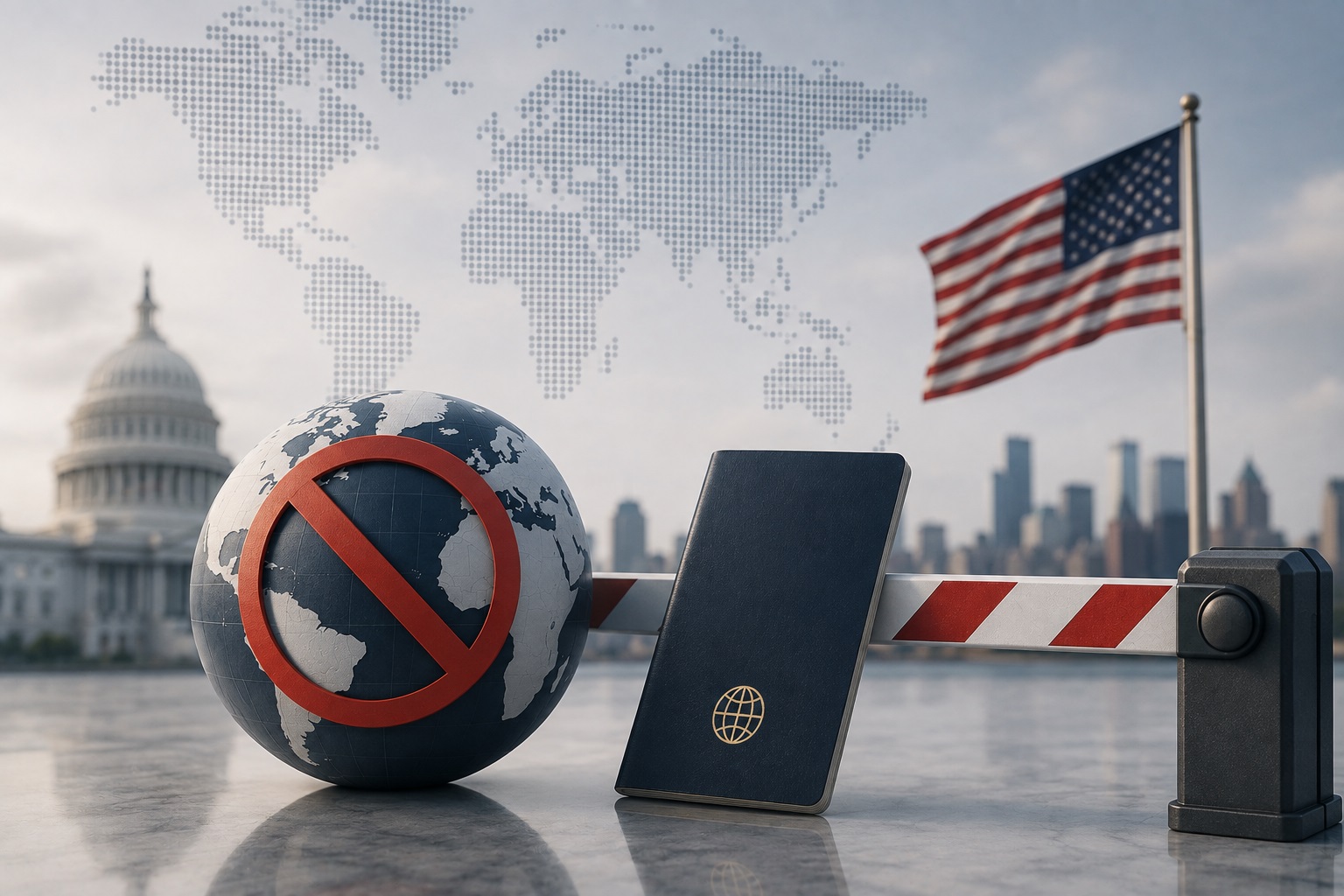
cations From 75 Countries Suspended?
The State Department had introduced the suspension as part of a broader effort to strengthen enforcement of the United States' “public charge” rules.
Public-charge considerations generally concern whether a prospective immigrant is likely to become primarily dependent on certain forms of government assistance after entering the United States.
The administration relied in part on economic data concerning the use of public assistance among immigrant households from the affected countries.
Consular officers were also instructed to scrutinize whether applicants might seek public benefits after entering the country and, in certain circumstances, to request additional evidence concerning an applicant's financial circumstances.
The Court's decision, however, indicates that concerns about potential reliance on public benefits do not automatically authorize the government to suspend visa issuance to applicants from entire countries.
Who Challenged the Visa Policy?
The lawsuit was brought by individual applicants together with two nonprofit organizations: the Catholic Legal Immigration Network, Inc. (CLINIC) and African Communities Together.
The individual plaintiffs included people whose relatives had been unable to obtain visas as well as applicants pursuing employment-based immigration to the United States.
The organizations argued that the suspension caused serious consequences for immigrants and their families, particularly where applicants had otherwise been proceeding through established immigration processes.
Following the ruling, representatives of the organizations welcomed the decision as an important victory for affected families and for compliance with U.S. immigration law.
What Does the Ruling Mean for Iranian Visa Applicants?
Iran was among the 75 countries covered by the visa-processing suspension.
As a result, the decision may be particularly important for Iranian nationals whose immigrant visa cases were affected by the policy.
The judgment does not mean that applicants from Iran or any other affected country are automatically entitled to receive a U.S. visa. Applicants must still satisfy the applicable requirements of U.S. immigration law, complete security and background screening, and establish that they are otherwise eligible for the visa they are seeking.
The key distinction is that nationality alone cannot be used through this particular policy to categorically prevent eligible applicants from receiving immigrant visas.
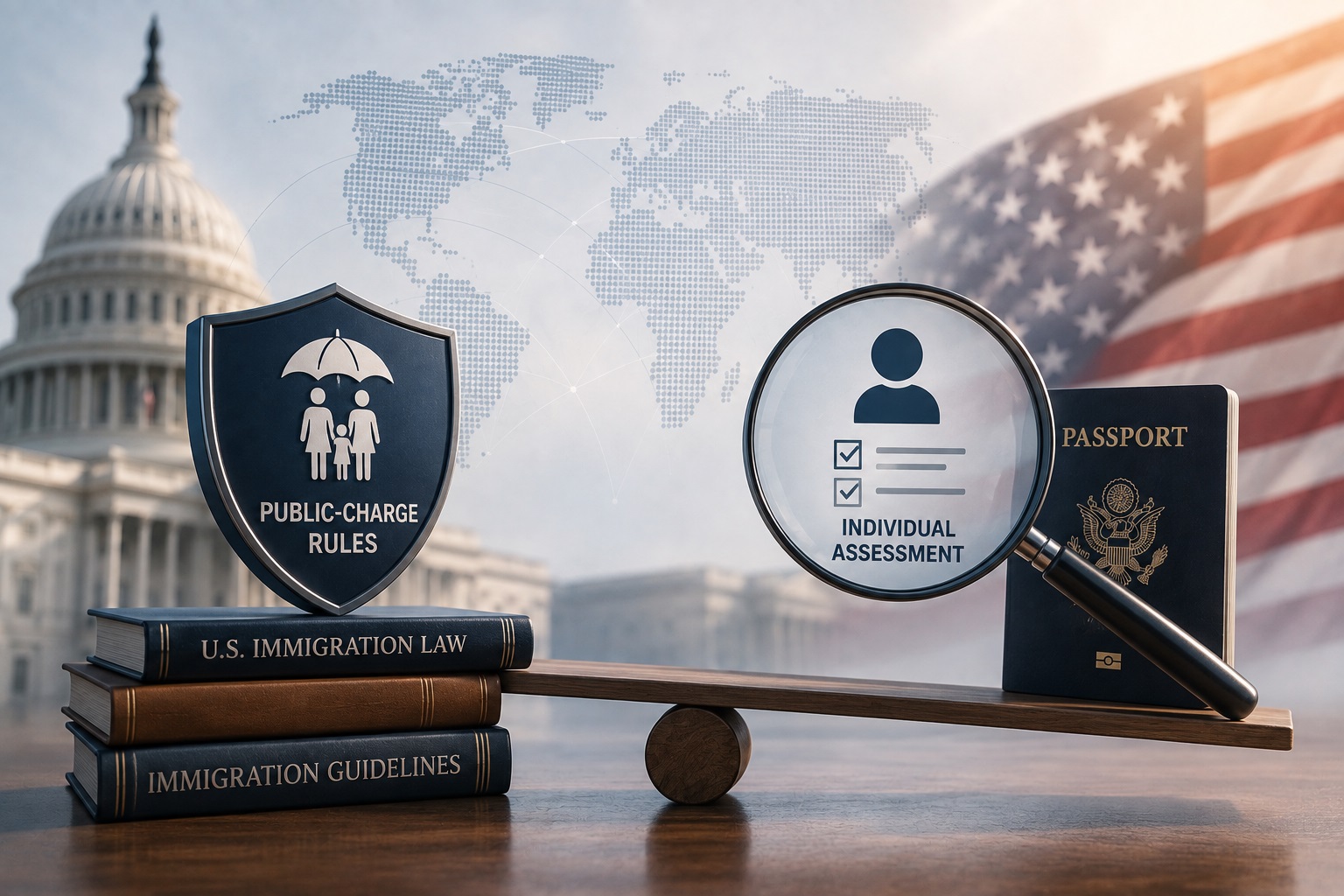
Individual assessment remains an essential part of the visa process.
Public-Charge Rules May Still Apply
The Court's ruling should not be interpreted as eliminating public-charge requirements from U.S. immigration law.
Consular officers may continue to consider legally authorized financial and admissibility factors when reviewing individual applications.
The issue before the Court was broader: whether the executive branch could use public-charge concerns to justify effectively suspending immigrant visa issuance for nationals of 75 countries as a group.
The Court concluded that the challenged policy went beyond the authority provided by Congress.
Part of a Wider Legal Battle Over U.S. Immigration Policy
The ruling comes amid continuing litigation over immigration measures introduced by the Trump administration.
The administration has pursued a number of policies involving visa screening, immigration benefits, entry restrictions, asylum, work authorization, permanent residence, and citizenship.
Several of those measures have faced challenges in federal courts, particularly where plaintiffs argue that executive agencies have exceeded powers granted to them by Congress or have implemented policies inconsistent with existing immigration statutes.
The State Department has maintained that enhanced screening and vetting measures are intended to protect U.S. national interests and ensure that visa applicants satisfy applicable requirements.
What Happens Next?
The ruling removes the challenged visa-processing policy, but it does not necessarily represent the final stage of the litigation. The federal government may pursue further legal remedies, including an appeal.
Affected applicants should also distinguish between the invalidated policy and other grounds that may affect their cases. Security screening, admissibility requirements, documentation issues, public-charge assessments authorized by law, and other immigration requirements may still influence individual visa decisions.
For applicants whose cases were delayed, suspended, or refused under the 75-country policy, the judgment may nevertheless represent an important development.
Key Takeaway
The New York federal court's decision reinforces an important principle of U.S. immigration law: executive immigration policies must remain within the authority granted by Congress.
While the U.S. government retains substantial authority to screen visa applicants and apply legally established admissibility requirements, the Court found that the State Department could not impose this particular blanket immigrant visa restriction on nationals of 75 countries without an adequate statutory basis.
For applicants from Iran, Afghanistan, Russia, Somalia, and the other affected countries, the ruling may reopen the path toward individualized processing of immigrant visa applications.